
Office Furniture
A CLEAN WORKSPACE STARTS HERE
Solid Wood Office Furniture
The right office furniture makes it easier to stay focused and keep your day moving. Quality pieces bring dependable strength, better organization, and a polished feel that supports your workflow. Shop desks, desk chairs, file cabinets, bookcases, and storage solutions for any office size.
Our Featured Office Collections
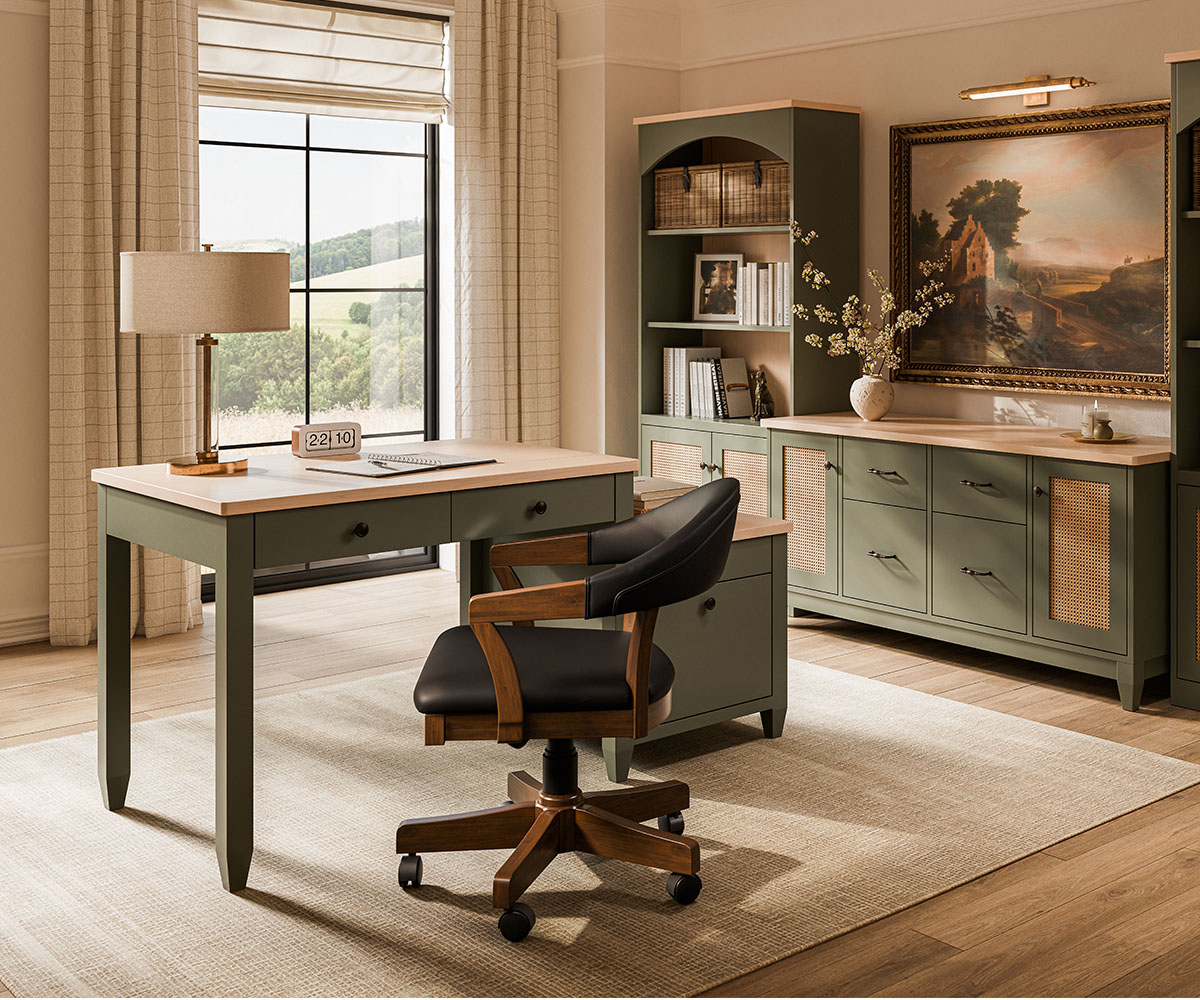
Magnolia Office Collection
★★★★★
Office Chair Shown With:
Wood: Brown Maple
Stain: FC-25895
This Collection Includes:
• Magnolia 60″ Desk
• Magnolia 60″ Credenza
• Magnolia Bookcase
• Magnolia Office Chair
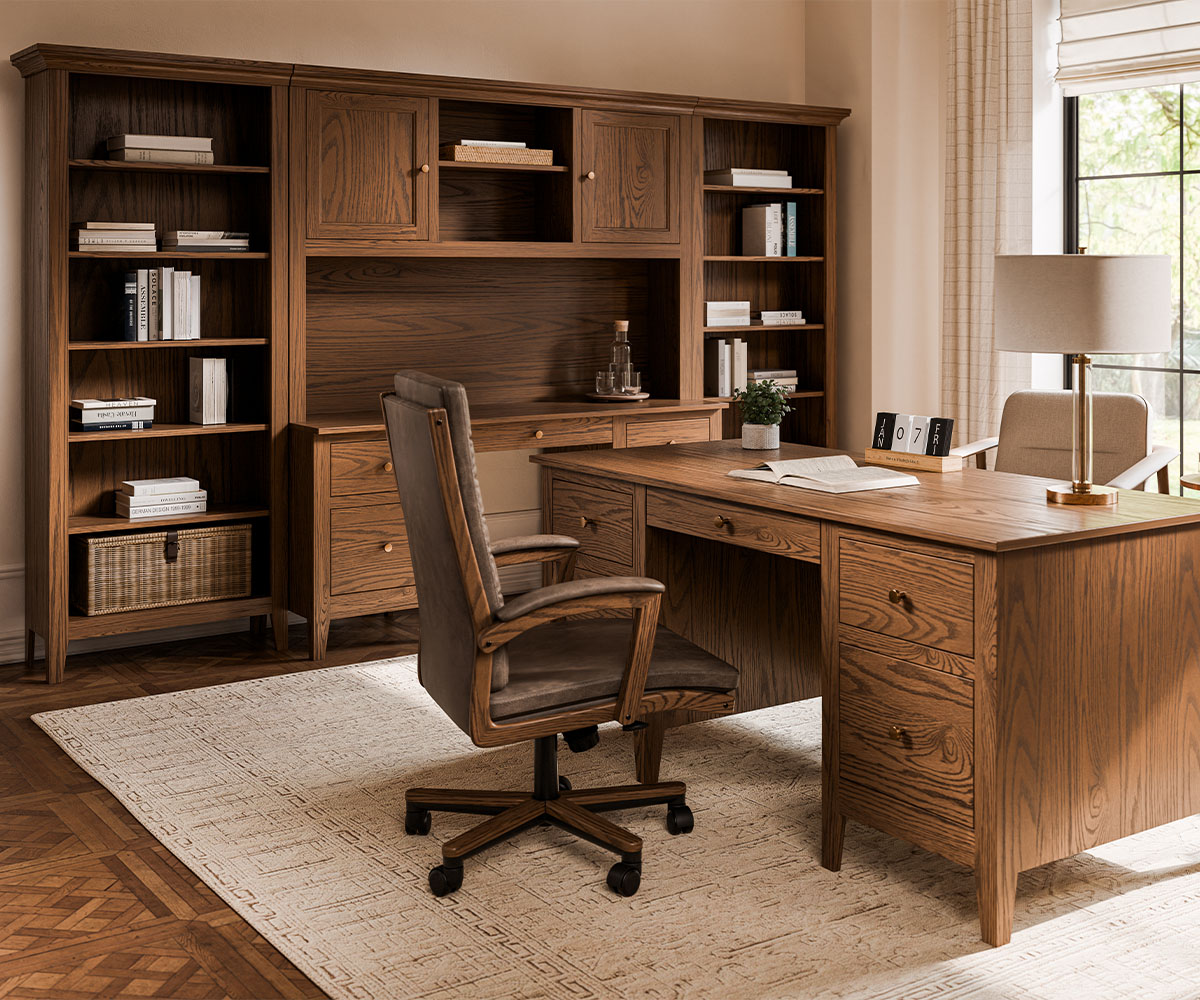
Ashton Executive Desk Office Collection
Editor's Choice
★★★★★
Shown With:
Wood: Oak
Stain: FC Almond
This Collection Includes:
• Ashton Executive Desk
• Ashton Credenza
• Ashton Credenza Topper
• Ashton Bookcase (left)
• Ashton Bookcase (right)
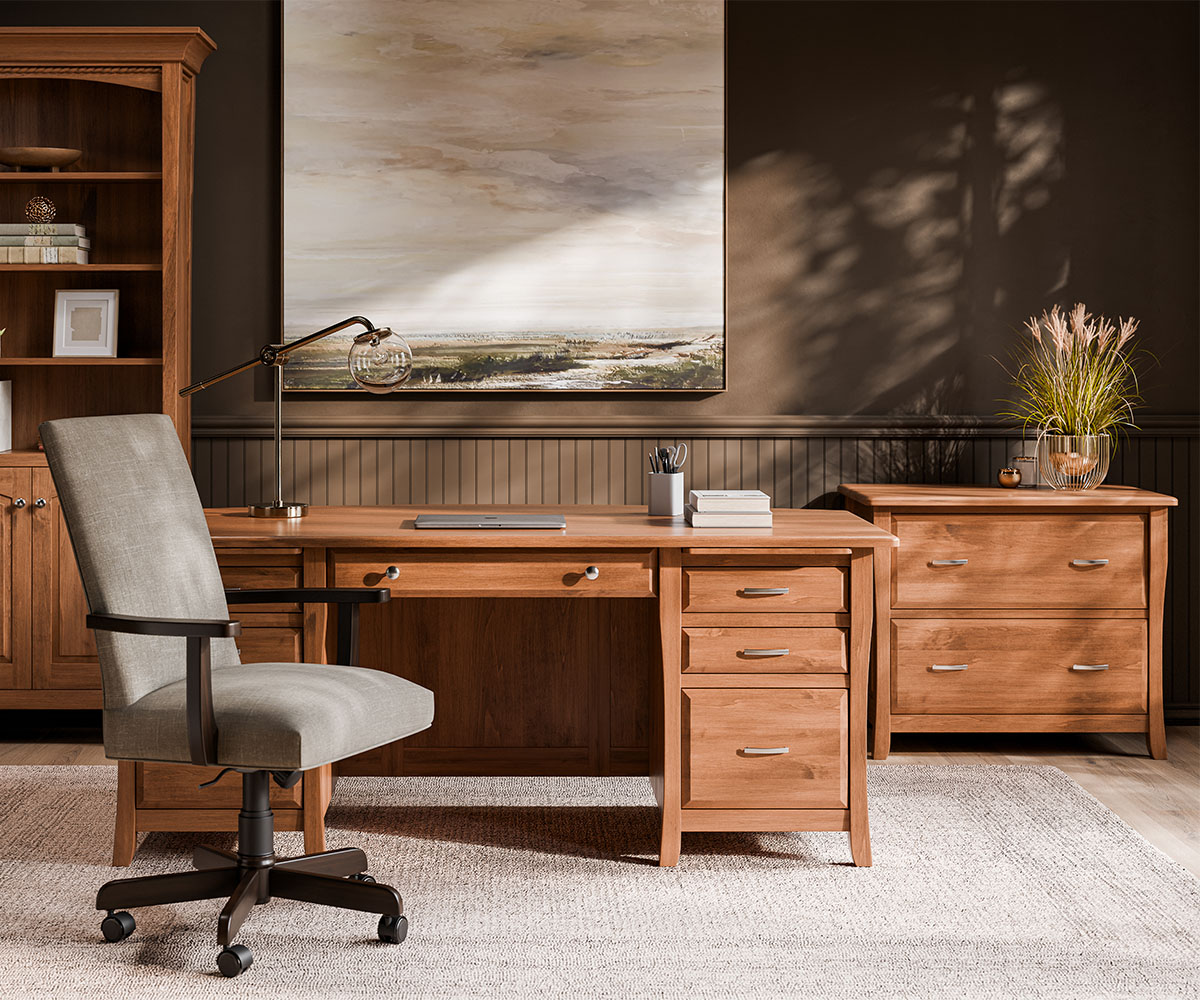
Berkley Office Collection
★★★★★
Shown With:
Wood: Brown Maple
Stain: FC Almond
This Collection Includes:
• Executive desk
• Bookcase
• Lateral file cabinet
Browse Office' Furniture Categories


Why Customers Choose Heritage
What Customers Say About Our Office Furniture
Since 2001, families and professionals across Northwest Ohio have trusted Heritage for office furniture that feels like a long-term investment. Explore customer reviews below to see what people say about our service, craftsmanship, and the way our desks and storage pieces fit their work-from-home routines.


Executive Desk vs Writing Desk: Choose the Right Desk Footprint
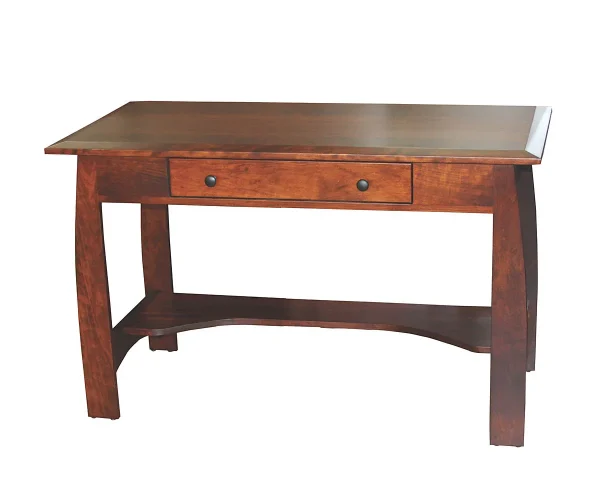
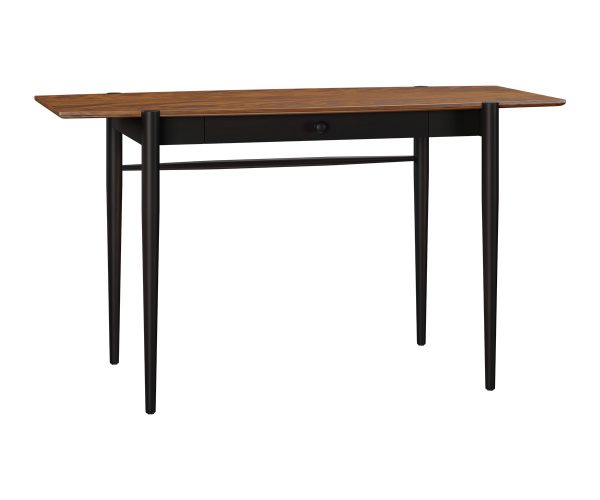
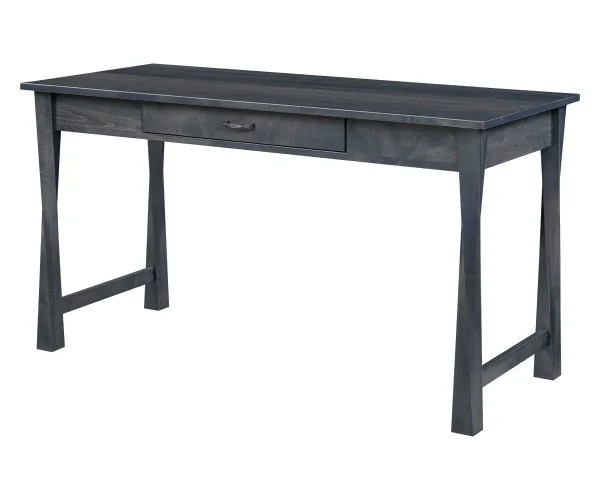
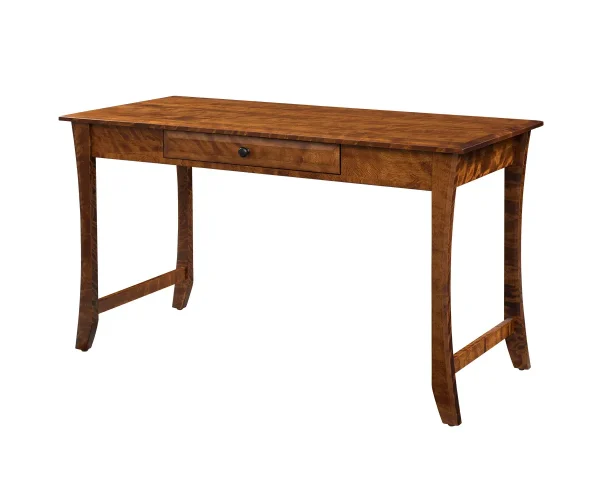
A writing desk is ideal when you want a clean surface, a lighter visual footprint, and just enough storage for essentials. Many writing desks stay in the 42–48″ width range—great for home offices, bedrooms-as-offices, and compact spaces.
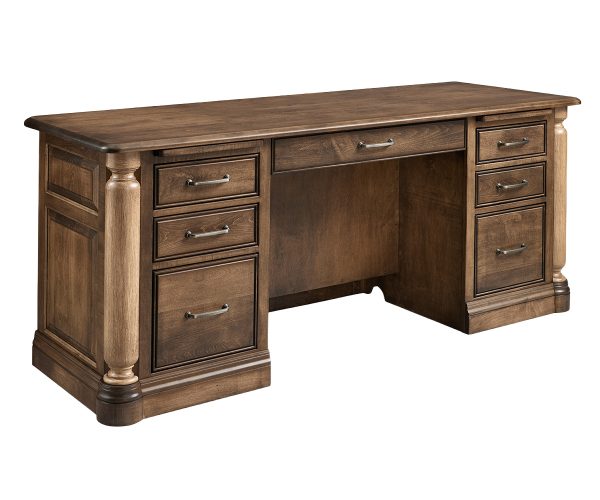
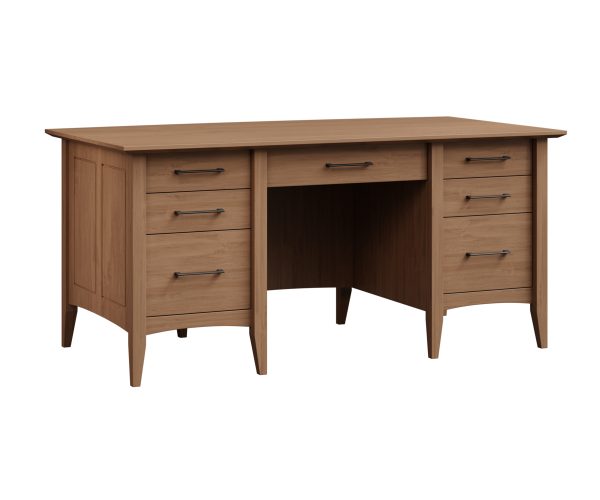
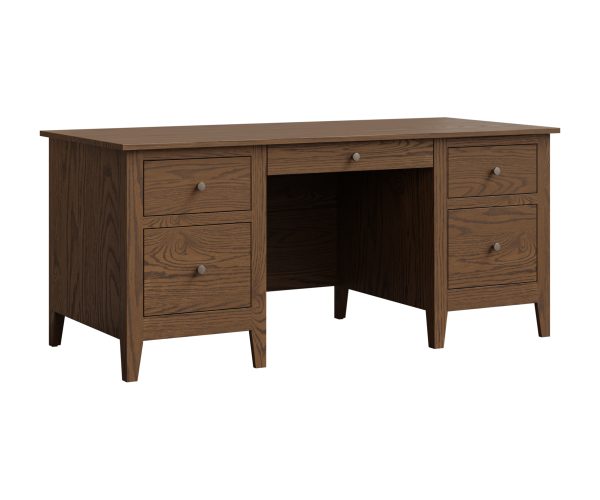
An executive desk is built for bigger workloads: more storage, deeper tops, and a more commanding presence. Many executive desks include multiple file drawers and storage drawers, plus details like writing-board pullouts—useful when you’re frequently sorting paperwork or spreading out devices.
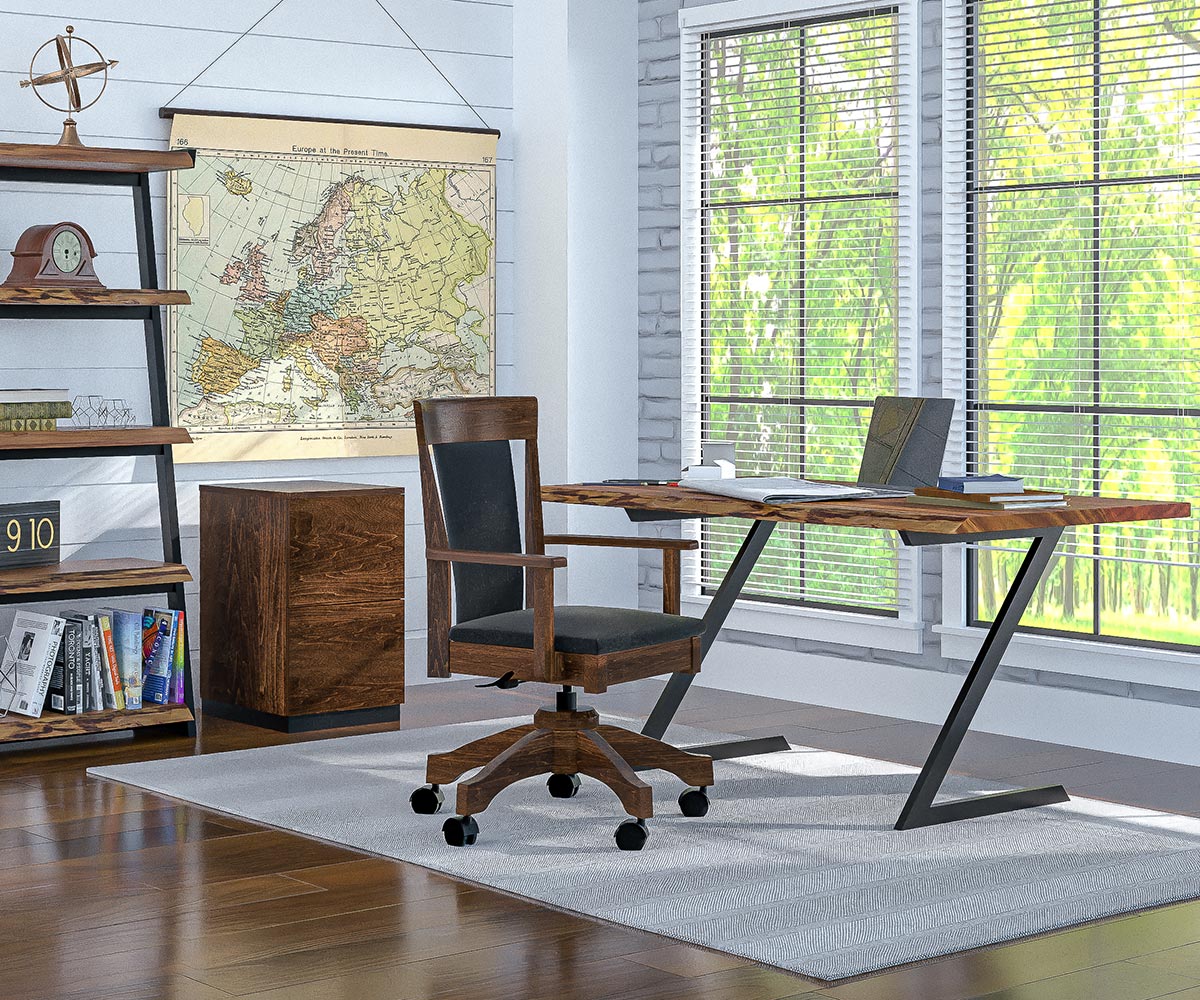
Choose a writing desk if:
Your work is mostly laptop-based and you want the smallest practical footprint. Writing desks are ideal for lighter daily use—email, video calls, planning, or homework—especially in smaller rooms, guest rooms, or multi-purpose spaces. Their clean design keeps the room feeling open, and they pair well with floating shelves, bookcases, or a nearby file cabinet if you need extra storage. If your priority is keeping the space simple and uncluttered, a writing desk often feels just right.
Choose an executive desk if:
You need filing at the desk, want more surface area, or want the desk to anchor the room visually. Executive desks are designed for heavier daily use—multiple monitors, paperwork, storage drawers, and long work sessions. They offer built-in filing and organizational space, which helps reduce clutter and keeps essentials within reach. Visually, they create a strong focal point and give the office a more substantial, professional presence—especially in a dedicated home office where the desk is the centerpiece of the room.
Our Latest Executive Office Desks


Our Latest Standard Writing Desks
Plan a coordinated workspace
Office Collections and Coordinated Suites
A polished office is easier to build when the pieces are designed to work together—desk, credenza, bookcase, and storage all matching in style and finish. Start with an office collection to simplify the process and keep everything cohesive.
Many collections include the most common “suite” pieces—an executive or corner desk, a credenza (often with optional topper/hutch), and matching bookcases—so you can scale from a compact home office to a more formal executive setup.
Adjustable Office Desks
Standing and Adjustable Desks: Sit/Stand Options Without Compromising Storage
Sit-to-Stand Office Desks
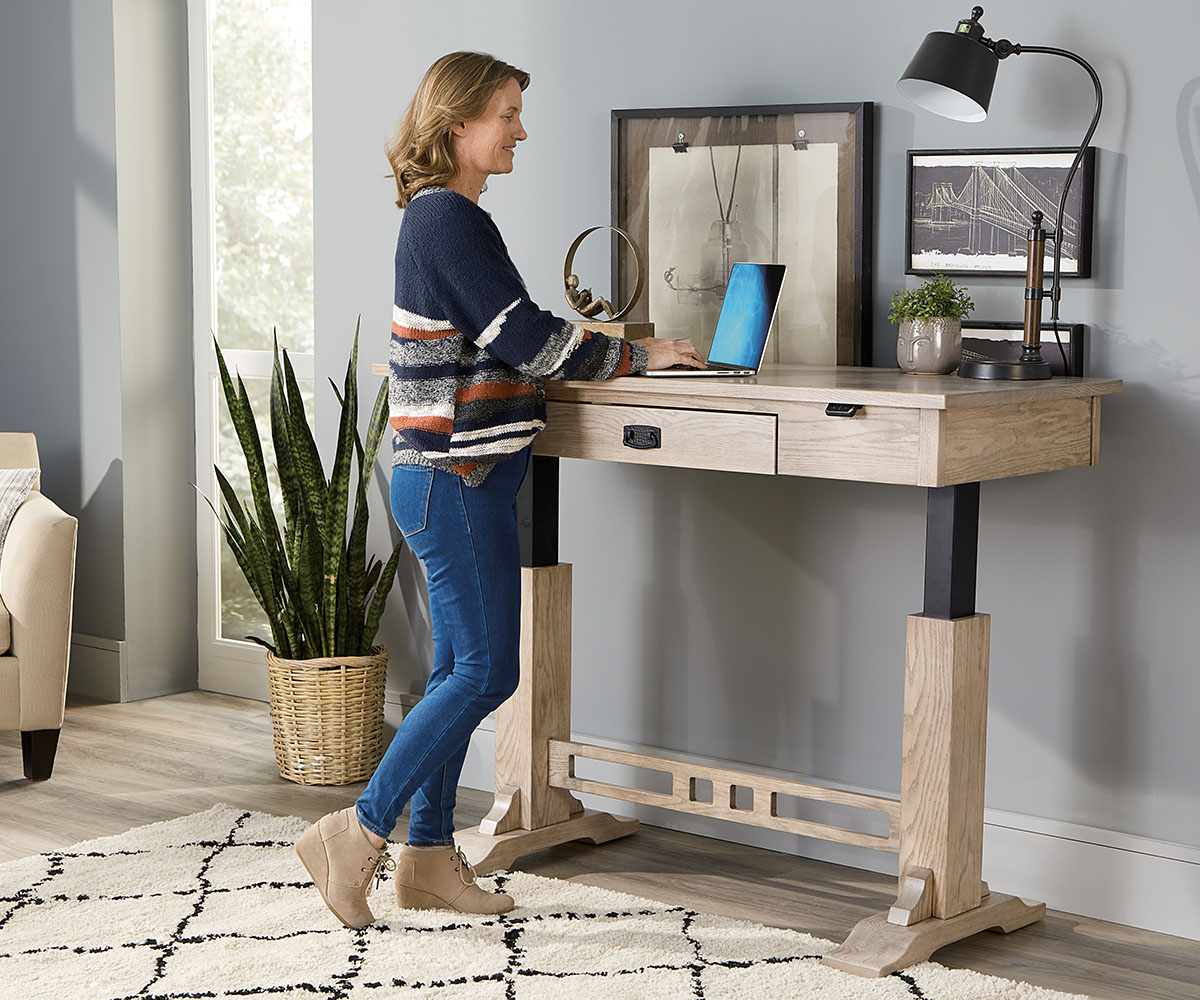
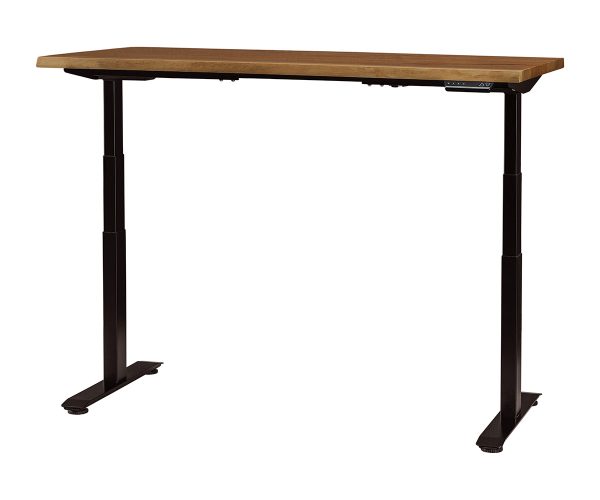
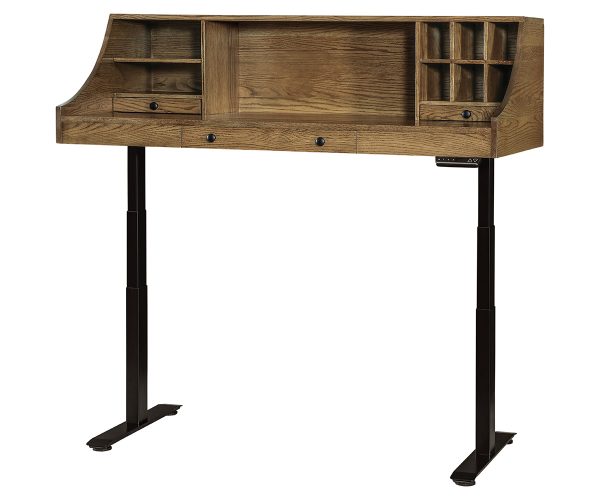
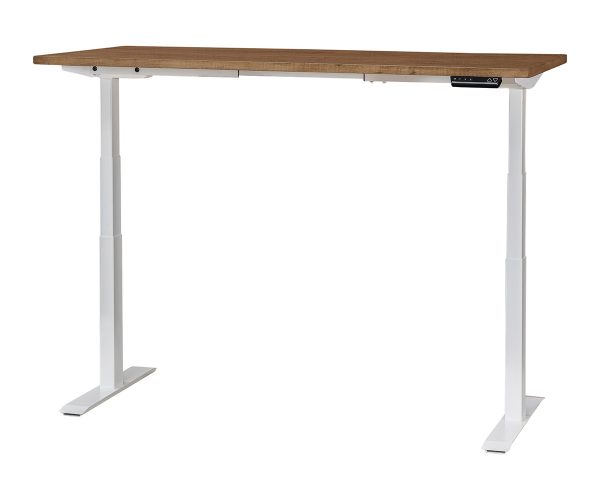
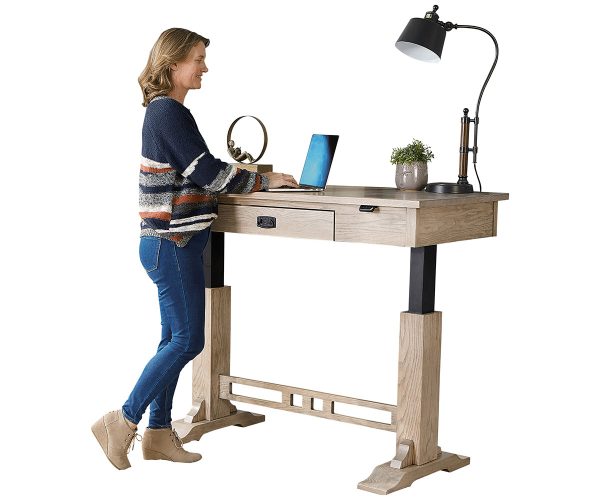
If you work long hours at a desk, a sit-to-stand setup can make your office feel more adaptable. Adjustable desks are ideal when the office is shared (multiple users) or when you want the flexibility to work seated or standing during the day.
In Heritage’s office catalog, lift desks can include serious office features—not just a lifting top—such as keyboard pullouts, file drawers, and finished backs so the desk can face into the room.
Our Latest Lift Desks
Improve Your Workflow
Office Furniture Customization Options That Fit Your Work Style
Office furniture should match your workflow—not force you into a layout that doesn’t work. Many office pieces can be customized so your desk, storage, and seating support how you actually work (paper-heavy, dual monitors, client meetings, or compact laptop-only setups).
Common office-focused customizations include wood type and stain selection, hardware choice, and practical changes like dimensions or drawer arrangement. If you can’t find the exact configuration online, share your specifications and request a quote.
- Desk layout: drawer count, file drawer placement, return orientation, and “finished back” needs for floating desks.
- Storage function: file cabinet type (vertical, lateral, or credenza-style filing).
- Seating choices: wood/stain coordination and fabric/leather options on many chairs.
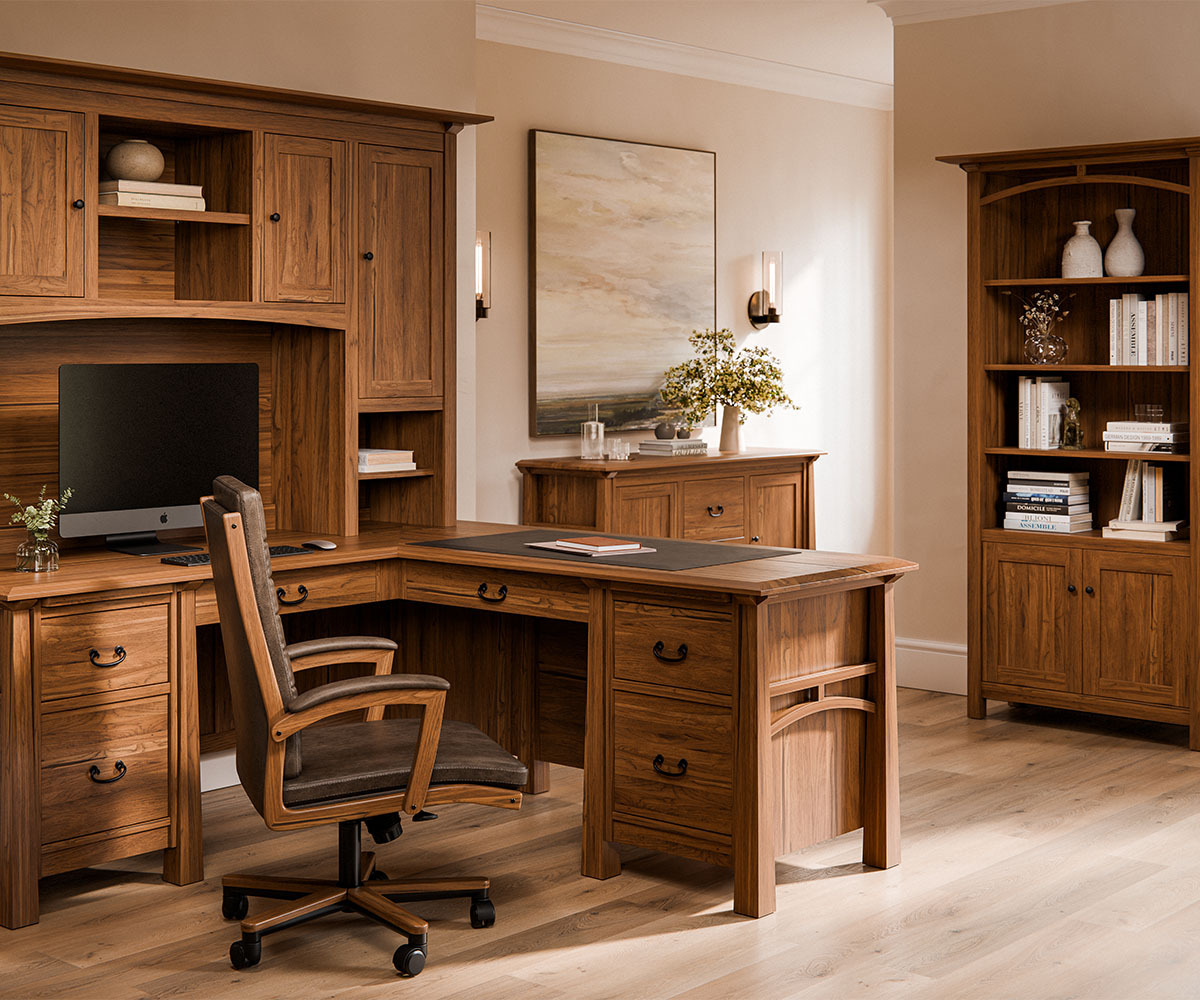
Plan a cohesive bedroom set:
L-Desk vs Desk + Credenza: Set Up Two Work Zones
Compare return layouts & storage
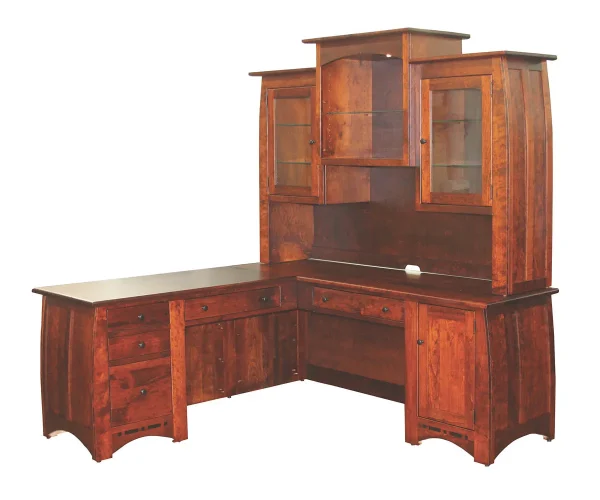
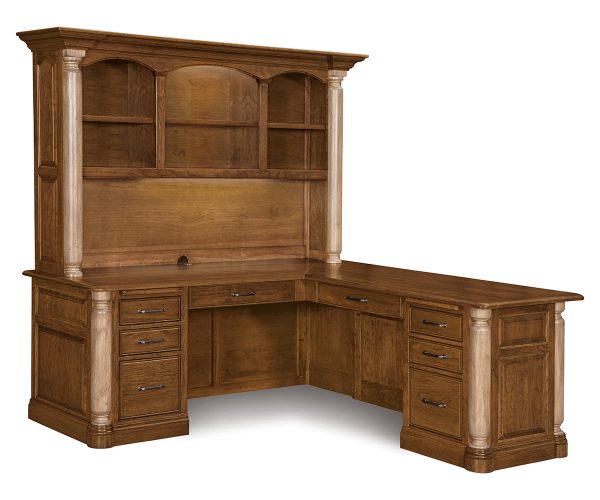
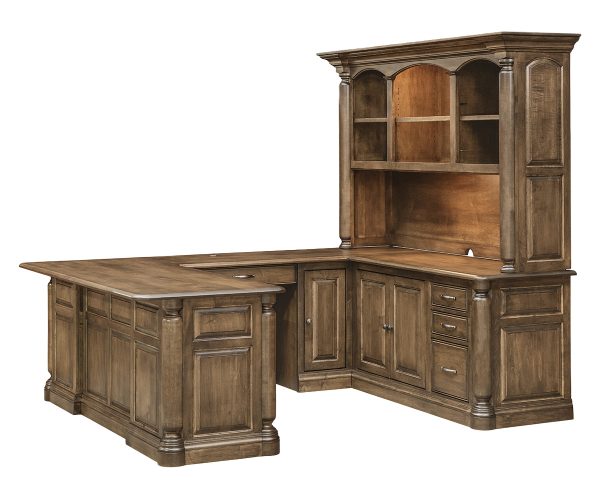
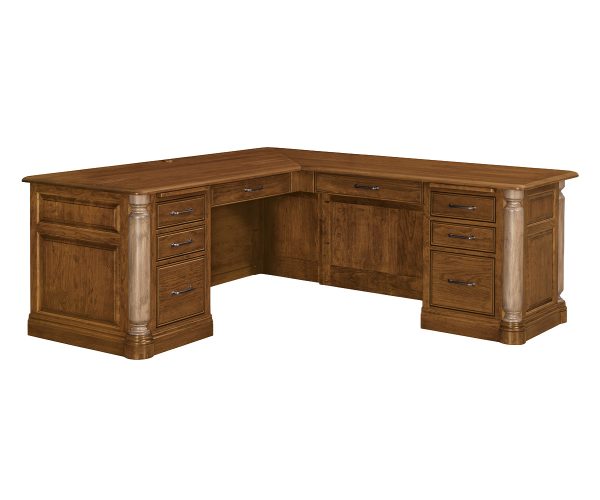
If you need two clear work zones—computer work on one surface and paperwork or writing on the other—an L-desk is a natural fit. Many L-desk designs also include office-specific conveniences like keyboard pullouts and dedicated space for power/CPU management, and some are built with finished panels so the setup can sit in the center of the room.
If you want more flexibility, a desk + credenza approach lets you place your main desk where it fits best and add filing/storage against a wall. Credenzas can include multiple file drawers and adjustable shelving, making them useful as storage pieces that keep the desktop clear.
Our Latest L-Desks
Conference-ready comfort
Office Chairs: Task Performance vs Conference-Ready Comfort
Find office chairs that fit your desk and workflow
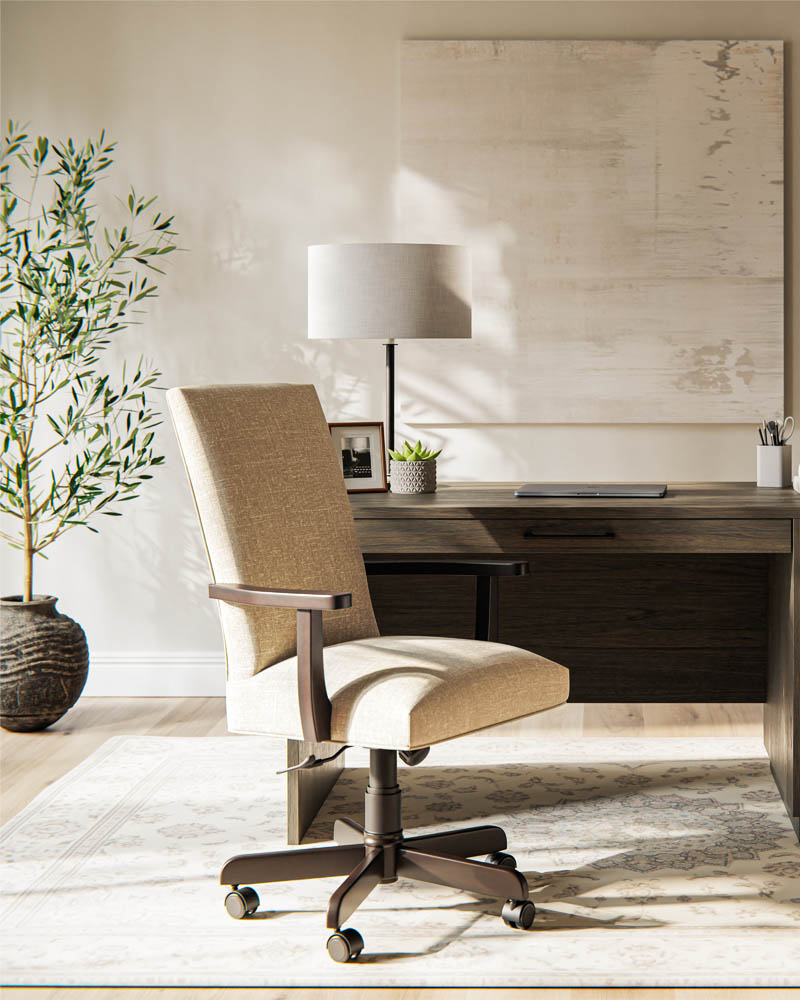
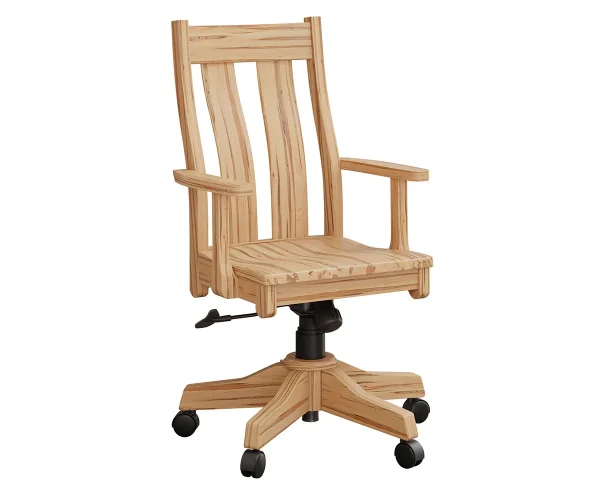
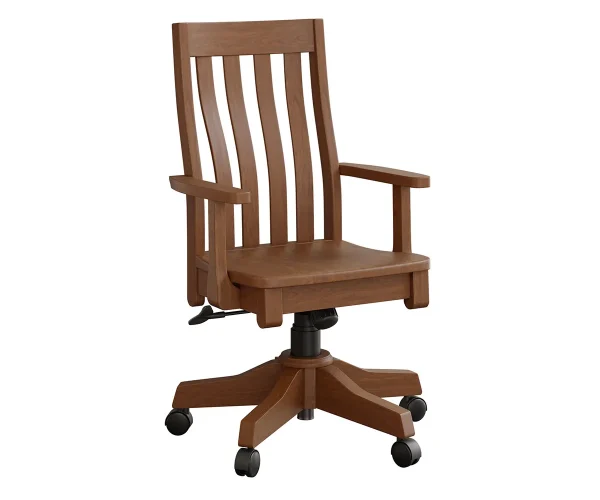
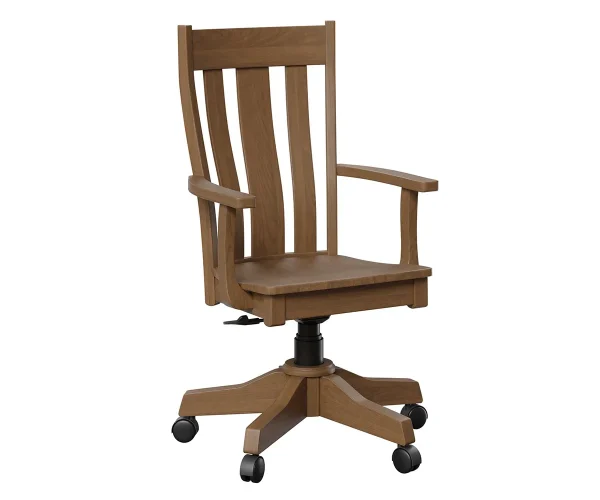
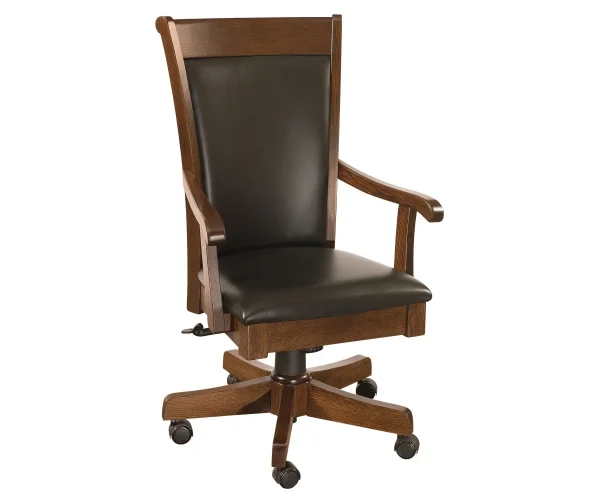
Your chair affects how your office feels every day. For focused desk work, look for task-chair features like gas-lift height adjustment, tilt lock, and tilt tension—especially if multiple people use the workspace or your desk height varies.
If your office includes a meeting zone, conference and client chairs emphasize a more upright profile and “guest comfort,” and Heritage’s catalog explicitly positions certain chairs for conference rooms, board rooms, and offices.
Our Latest Office Chairs
Find Your Ideal Desk Layout
Which Desk Style Fits Your Workspace?
Not sure which desk style fits your space and workflow? Use this quick chart to compare executive desks, writing desks, and L-desks—so you can choose the right footprint, storage level, and setup for the way you work.
| Desk Type | Best For | Storage | Pros | Considerations |
|---|---|---|---|---|
| Executive Desk | Dedicated home office | Multiple drawers | Professional presence | Requires larger space |
| Writing Desk | Small rooms | Minimal | Compact footprint | Limited storage |
| L-Desk | Multi-task setups | Moderate to high | Maximizes corner space | Needs planning for layout |
Office Furniture Questions, Answered
What size desk should I choose for my home office?
Start by measuring your available wall space and allowing room for your chair to move comfortably. If you use multiple monitors or spread out paperwork, you’ll likely need more surface area. For smaller rooms or laptop-based work, a writing desk may be enough. Bringing room dimensions to the showroom makes it much easier to choose the right footprint.
What’s the difference between an executive desk and a writing desk?
An executive desk typically offers more surface space and built-in storage like filing drawers. It works best in dedicated home offices.
A writing desk has a smaller footprint and minimal storage, making it ideal for compact spaces or lighter daily use. The right choice depends on how you work and how much storage you need within arm’s reach.
Is an L-desk better for productivity?
An L-desk can be a great option if you multitask or use separate areas for computer work and paperwork. It helps maximize corner space and keeps everything accessible without overcrowding a single surface. However, it requires thoughtful layout planning to ensure proper traffic flow.
How much storage should I plan for?
Think about what you want stored at your desk versus elsewhere in the room. If you keep physical files, built-in filing drawers may be important. If you’re mostly digital, you may prefer a cleaner desk and add a separate file cabinet or bookcase instead. Planning storage around your workflow keeps the space functional long term.
Visit Our Allentown Rd Showroom
Amish Office Furniture Near Lima
Want to compare desks, filing cabinets, bookcases, and office storage in person? Visit our Allentown Road location to shop indoor office furniture and get hands-on help choosing the right desk size and storage layout for your workspace. Use the map below for directions, and bring rough room measurements so we can guide you toward options that fit comfortably and deliver smoothly.